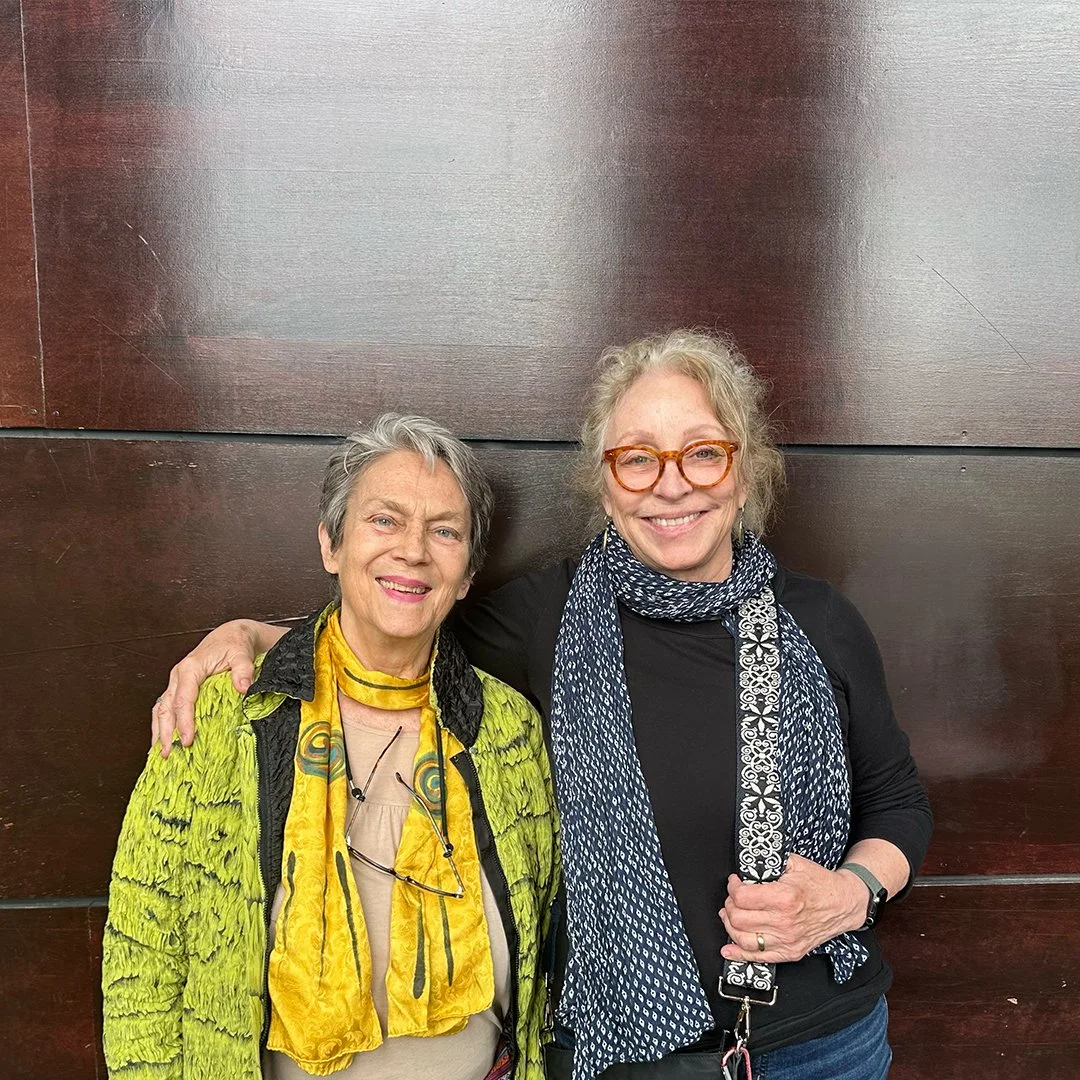
This May, the Milwaukee County Historical Society hosted its Annual Awards Dinner where my big sister, Julilly Kohler, received the Frederick I. Olson Historic Preservation Award. It recognizes those dedicated to preserving Milwaukee County’s historic architecture.
Julilly was described as: “A visionary developer and civic leader, Julilly has played a transformative role in Milwaukee’s historic neighborhoods, from her longtime advocacy on Brady Street to her commitment to adaptive reuse that preserves character while strengthening walkability and economic vitality. Her work, including projects like Kane Commons, reflects a thoughtful, community-centered approach that continues to shape the city.”
All very true.
I was honored to introduce her at the dinner–in fact, I spoke in her place, because she was recovering from a fall. In my introduction and Julilly’s acceptance speech, I realized we both talked about history–in different ways. Personal and communal.
I wanted to share them both with you.
My Speech: “My Big Sister, Julilly Waller Kohler”
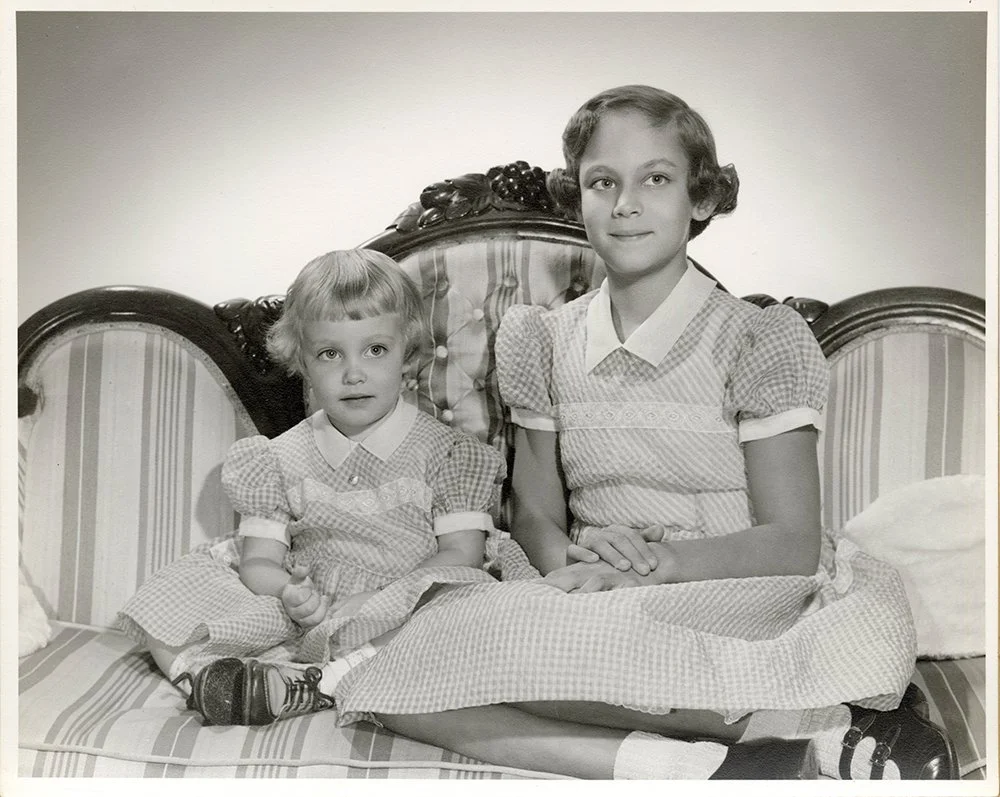
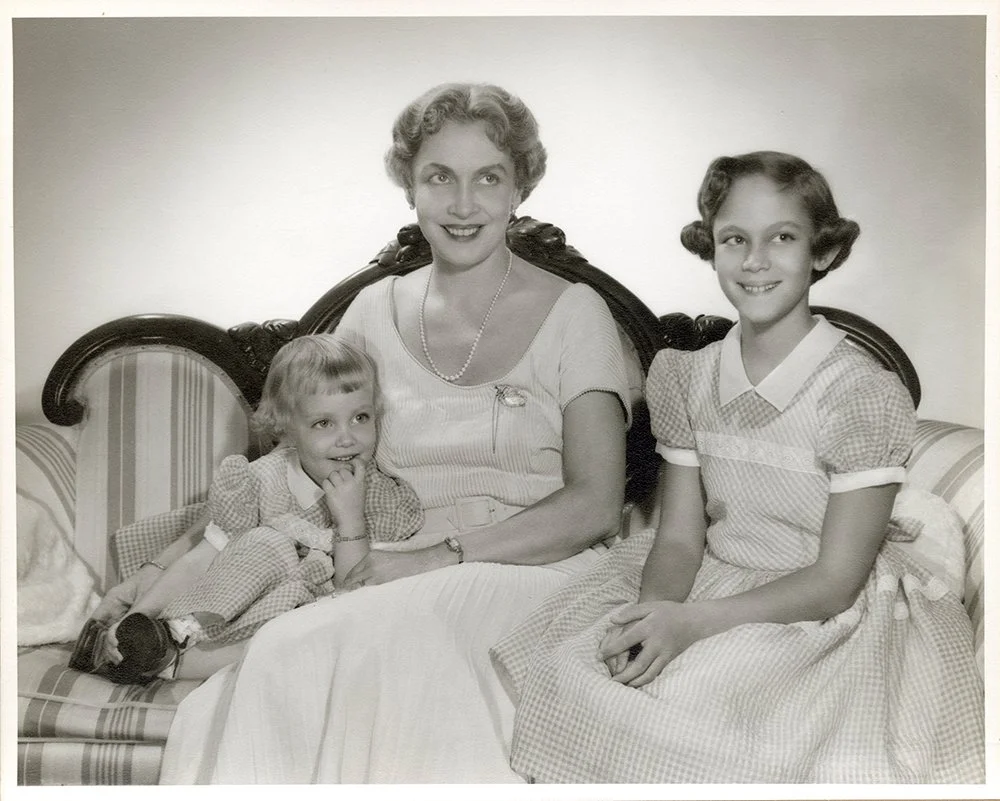
So… a little bit about OUR history–Julilly’s and mine, together. Nine years younger, I was the “little sister” … as such I learned so much from her about how the world works.
But, also–and very importantly–she taught me how to do the twist to my Chubby Checker record, taught me folk songs by Joan Baez and Bob Dylan, dazzled with her bright lipstick and black turtleneck…
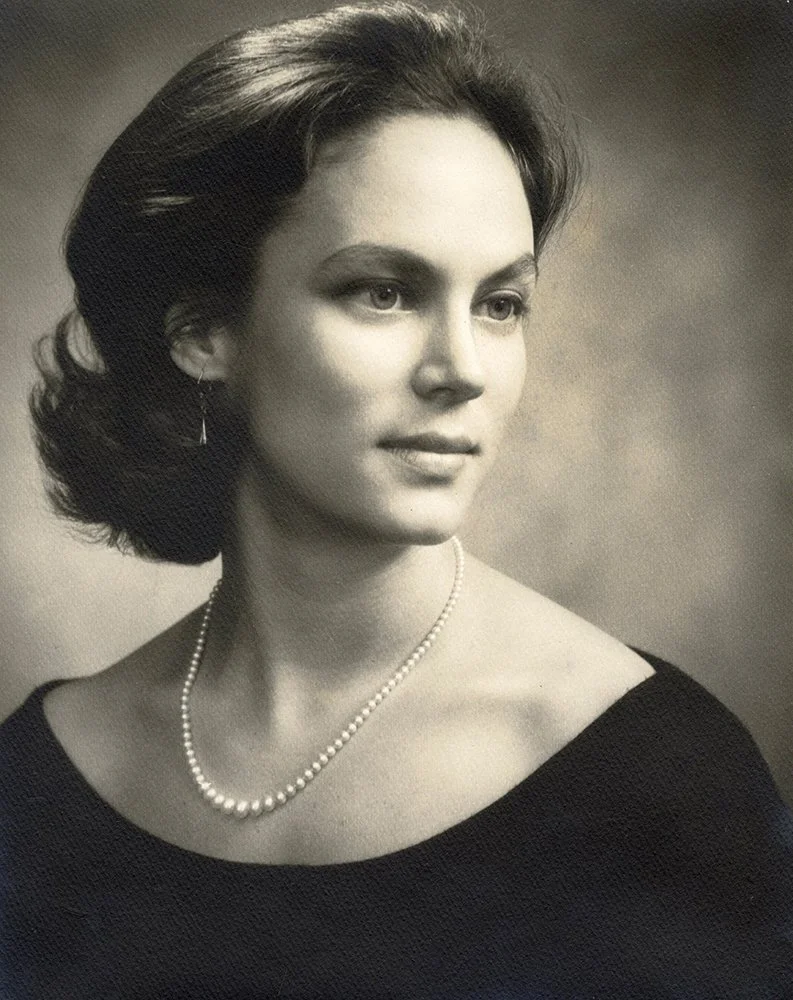
Julilly shone as a beautiful, brilliant young woman to me and my bedazzled little friends… someone who travelled, had adventures and knew what was up in the big wide world… ALWAYS glamorous, smart, rebellious and playful, she inspired me with awe and not a little envy.
Many memories arise: her shooting pool with high school boys in our home Riverbend… weekends at the Elkhart Lake Races with her assorted gang… Law School friends she brought home from Madison for weekends… a fascinating lot. I learned tons!
Along the way, she introduced me to the ethics of the Nuremberg Trials, told me about disparity between the U.S. and other countries–especially haves and have nots… what it was like in Paris (lovely), in India (oh that shocking cave art) and Russia (not so lovely)... what terrible food, but how handsome the Russian men were!
Julilly worked for years as an Assistant DA in Milwaukee, though with the heart of a public defender–so always aware of two sides to an issue.
Then she changed her life, following her bliss: She left the law and moved to the world of Brady Street. She ran an art gallery and focused on urban planning, public art…so much–eventually pioneering the Marsupial Bridge (and the park with swings beneath it)... the Mouse Statues at the end of Brady Street–very Julilly.
Yes, an out-of-the-box thinker, but/and at heart, a creator and family maker–anyone who has seen her home and her art collections, knows this to be true. She is a great mother to two amazing daughters, a supportive sister, and with a huge heart, draws close all relations and friends around her. She is generous, supportive, and interested in The Common Good. She has helped make a better world.
Julilly Kohler’s Speech:
“The past isn’t dead. In fact, it’s not even past”
– William Faulkner
Marie and I grew up in a history-heavy little village, and looking back it’s interesting to consider how much histories fashion our present–who we are and what we do. Nature versus nurture is a historical question that we can only sort out personally for ourselves and for our communities, if we have a way to accurately know our real histories.
Maybe looking back, and taking into account that the Kohler Village I grew up in from a little girl had had two industrial strikes in its history, I realize now may be a reason I’ve been curious about and interested in working on projects that are about communities: what makes them, what keeps them together, what can tear them apart, and what can be done to bring them back together: Art? Music? Kids? Overlapping self-interests? Maybe even history itself!
That’s one of the things that actually helped Brady Street, after years of decline and hollowing out. The merchants of Brady Street came together to form a BID and hired an artist, Pamela Scesniak, to bring back the streets and its buildings’ histories. In public meetings, people shared the history of the street and community. These folks, separated by hard times and now old, cold family feuds, came together over the warming memories of weddings, celebrations, and common Brady Street successes of the past. The artist sand blasting pictographs of the building’s past into our “Green Flow” in the tree border of our sidewalks, showing the connection of the River and the Lake and representing their presence in the flow of time and memory. History can heal.
But I’d like to wind up sharing how I feel I’ve been witness to one of the loveliest uses of history through my work with Belinda Pittman. It’s been a great pleasure and wonderment for me–to work alongside Belinda as her Board Chair of the non-profit Nia Imani Family, which she founded in 1994 and ran until her retirement in December, 2025.
Belinda was awarded an honorary PhD in Community Health by UWM for the program’s work with homeless and pregnant young women (and their children) so they could find new self-worth and self-sufficiency through two years of residential living, schooling, group work, job finding and life skills training. On top of these programs, one of Belinda’s most powerful tools was using Afro-Centric culture–rooted in too often unknown, suppressed, or forgotten Black history–to develop Kwanzaa articulated values and standards for individual conduct within community living.
May we all be able to do that as well, that through our true history–we will have the bravery to honestly articulate our history so that we can have the strength to speak truth and take right action.
THANK YOU, Milwaukee County Historical Society!
Avanti!